
Uncategorized

केंद्रीय बजट 2024: क्षेत्रवार आवंटन, कृषि समुदाय के लिए क्या?

सुरेश देशवाल महासचिव, किसान चैम्बर ऑफ़ कॉमर्स भारत का केंद्रीय बजट 2024 शिक्षा, रोजगार, कौशल और मध्यम वर्ग को लक्षित करने वाले उपायों का परिचय देता है। नौ प्राथमिकता वाले क्षेत्रों की पहचान की गई है और पूंजीगत लाभ कर व्यवस्था में महत्वपूर्ण बदलाव पेश किए गए हैं। लगातार तीसरी नरेंद्र मोदी सरकार ‘मोदी 3.0’ ने जून में आम चुनाव के समापन के बाद अपना कार्यकाल शुरू किया। 23 जुलाई, 2024 को ‘मोदी 3.0’ एनडीए सरकार का पहला केंद्रीय बजट पेश करते हुए, भारत की वित्त मंत्री निर्मला सीतारमण ने केंद्रीय बजट 2024 के इन विषयों पर जोर दिया: शिक्षा, रोजगार, कौशल और उद्योग 4.0, और मध्यम वर्ग। प्रधान मंत्री नरेंद्र मोदी ने केंद्रीय बजट 2024-25 की सराहना की और कहा कि विकसित भारत का बजट समावेशी विकास सुनिश्चित करता है, समाज के हर वर्ग को लाभ पहुंचाता है और विकसित भारत का मार्ग प्रशस्त करता है। “यह देश के गरीब, गांव और किसान को समृद्धि के रास्ते पर ले जाता है। पिछले 10 साल में 25 करोड़ लोग गरीबी से बाहर आये हैं. यह नये मध्यम वर्ग के सशक्तिकरण की निरंतरता का बजट है।” कृषि एवं संबद्ध क्षेत्र  वित्त मंत्री सीतारमण ने अपने भाषण में कहा, हमारी सरकार उत्पादकता बढ़ाने और जलवायु प्रतिरोधी किस्मों को विकसित करने पर ध्यान केंद्रित करने के लिए कृषि अनुसंधान सेटअप की व्यापक समीक्षा करेगी। वित्त मंत्री निर्मला सीतारमण ने मंगलवार को वित्तीय वर्ष 2024-25 के बजट में कृषि और संबद्ध क्षेत्रों के लिए ₹1.52 लाख करोड़ आवंटित किए। यह कहते हुए कि कृषि सरकार का एक प्रमुख एजेंडा है, उन्होंने कहा कि नीतियां बनाते समय उत्पादकता और लचीलेपन को ध्यान में रखा जाएगा। वित्त मंत्री ने कहा कि अगले दो साल में एक करोड़ किसानों को प्राकृतिक खेती से जोड़ा जाएगा और सरकार सर्टिफिकेशन और ब्रांडिंग के मामले में उनका समर्थन करेगी. परियोजना को वैज्ञानिक संस्थानों और इच्छुक ग्राम पंचायतों के माध्यम से कार्यान्वित किया जाएगा, जिसके लिए 10,000 आवश्यकता-आधारित जैव-इनपुट संसाधन केंद्र स्थापित किए जाएंगे। जलवायु अनुकूल बीज विकसित करने के लिए शोध की व्यापक समीक्षा भी होगी। 100-दिवसीय कार्यक्रम के हिस्से के रूप में, 32 क्षेत्रीय और बागवानी फसलों में 109 नई बीज किस्में जल्द ही जारी की जाएंगी। चालू वित्त वर्ष में कृषि एवं किसान कल्याण मंत्रालय के लिए 1.32 लाख करोड़ रुपये के बजट का प्रावधान किया गया है जो गत वर्ष 1.25 लाख करोड़ रुपये था। इस प्रकार कृषि मंत्रालय के बजट में 5.6 फीसदी की बढ़ोतरी हुई है। केन्द्रीय बजट में घोषित नौ प्राथमिकता वाले क्षेत्रों में से कृषि क्षेत्र में उत्‍पादन और लचीलापन पहली प्राथमिकता है। बजट 2024-25 में कृषि और उससे संबंधित क्षेत्रों के लिए 1.52 लाख करोड़ रुपये का प्रावधान किया गया है। उन्‍होंने ‘अन्‍नदाता’ (किसान) को 4 प्रमुख जातियों में से एक बताया और कहा कि इन पर विशेष ध्‍यान देने की जरूरत है। उन्‍होंने कहा कि सरकार  सभी प्रमुख फसलों के लिए एक महीने पहले उच्‍च न्‍यूनतम समर्थन मूल्‍यों की घोषणा की है। यह लागत पर कम से कम 50 प्रतिशत मार्जिन के वायदे के अनुरूप है। श्रीमती सीतारमण ने कहा कि प्रधानमंत्री गरीब कल्‍याण अन्‍न योजना को अगले पांच के लिए बढ़ा दिया गया है  जिससे 80 करोड़ से अधिक लोगों को लाभ मिल रहा है। बजट 2024 का  क्षेत्रवार आवंटन रक्षा: 6,21,940 करोड़               ग्रामीण: 2,65,808 करोड़             कृषि: 1,51,851 करोड़ गृह मामले: 1,50,983 करोड़            स्वास्थ्य: 89,287 करोड़                        शिक्षा: 1,25,638 करोड़     ऊर्जा: 68,769 करोड़                 आईटी और दूरसंचार: 1,16,342 करोड़   वाणिज्य एवं उद्योग: 47,559  सामाजिक कल्याण: 56,501 करोड़ किसान चैंबर ऑफ कॉमर्स इस लेख में कृषि की प्रमुख घोषणाओं पर चर्चा की । वित्त मंत्री ने कृषि और संबद्ध क्षेत्रों के लिए 1.52 ट्रिलियन रुपये (18.16 बिलियन अमेरिकी डॉलर) के बजट आवंटन की घोषणा की है। पिछले साल 1.25 लाख रुपये और अंतरिम बजट में 1.27 लाख करोड़ रुपये का प्रावधान किया गया था। मतलब इस बार 21.6 फीसदी यानी 25 हजार करोड़ रुपये बढ़ाया गया है। कृषि क्षेत्र में उत्पादकता बढ़ाने और लचीलापन लाने के लिए केन्द्रीय बजट 2024-25 में कई उपायों की घोषणा की गई है जिसमें डिजिटल सार्वजनिक अवसंरचना, तिलहन के लिए  ‘आत्मनिर्भरता’, बड़े पैमाने पर सब्जी उत्पादन केन्द्रों की स्थापना और झींगा ब्रूड-स्टॉक्स के लिए न्यूक्लियस ब्रीडिंग केन्द्रों का नेटवर्क स्थापित करने के लिए वित्तीय सहायता शामिल हैं। कृषि के लिए डिजिटल सार्वजनिक अवसरंचना प्रायोगिक परियोजना की सफलता से उत्साहित होकर, सरकार 3 वर्षों में किसानों और उनकी जमीन को शामिल करने के उद्देश्य से राज्यों के साथ मिलकर कृषि में डिजिटल सार्वजनिक अवसंरचना (डीपीआई) को लागू करने में सहायता करेगी। केन्द्रीय वित्त एवं कॉरपोरेट कार्य मंत्री श्रीमती निर्मला सीतारमण ने आज संसद में ‘केन्द्रीय बजट 2024-25’ पेश करते हुए कहा कि  इस साल डीपीआई का उपयोग करते हुए खरीफ फसलों का 400 जिलों में डिजिटल फसल सर्वेक्षण किया जाएगा। उन्होंने कहा कि 6 करोड़ किसानों और उनकी जमीन के ब्यौरों को किसान और जमीन की रजिस्ट्री में दर्ज किया जाएगा। श्रीमती सीतारमण ने यह भी कहा कि पांच राज्यों में जन समर्थ आधारित किसान क्रेडिट कार्ड जारी किए जाएंगे। दलहन और तिलहन मिशन       दलहनों और तिलहनों में आत्मनिर्भरता हासिल करने के लिए सरकार इन फसलों के उत्‍पादन, भंडारण और विपणनन को मजबूत बनाएगी। आज संसद में केन्द्रीय बजट 2024-25 पेश करते हुए  केन्द्रीय मंत्री श्रीमती सीतारमण ने बताया कि सरसों, मूंगफली, तिल, सोयाबीन और सूरजमुखी जैसी तिलहनों में‘आत्‍मनिर्भरता’हासिल करने के लिए एक कार्यनीति बनाई जा रही है, जैसा कि अंतरिम बजट में घोषणा की गई थी। राष्ट्रीय सहकारिता नीति सहकारी क्षेत्र के विकास के लिए सरकार राष्ट्रीय सहकारिता नीति लाएगी। ग्रामीण अर्थव्यवस्था का तेजी से विकास और बड़े पैमाने पर रोजगार के अवसरों का सृजन नीतिगत लक्ष्य होगा। सरकार झींगा पालन और विपणन के लिए वित्त उपलब्ध कराएगी।  सब्जी उत्पादन और आपूर्ति श्रृंखला वित्‍त मंत्री ने बताया कि प्रमुख उपभोक्ता केंद्रों के नजदीक सब्जी उत्पादन केन्‍द्रों की स्‍थापना की जाएगी। उन्‍होंने कहा कि सरकार उपज के संग्रहण, भंडारण और विपणन सहित सब्जी आपूर्ति श्रृंखलाओं के लिए किसान-उत्पादक संगठनों, सहकारी समितियों और स्टार्ट-अप को बढ़ावा देगी। प्राकृतिक खेती पर जोर  कृषि और संबद्ध क्षेत्र के लिए कुल 1.52 लाख करोड़ रुपये के बजट आवंटन की घोषणा करते हुए वित्त मंत्री ने कहा अगले दो वर्षों में एक करोड़ किसानों

केंद्रीय बजट 2024: क्षेत्रवार आवंटन, कृषि समुदाय के लिए क्या? Read More »

कहाँ है किसान और किसानी…….

आधुनिक युग ने भुला दिया मुझे मै बस एक छूटे हुए सुर की तान हूँ, बचा सके तो बचा ले मुझे ए राष्ट्रभक्त, मैं किसान हूँ! हमारे देश में जब तक सत्ता में बैठे लोग किसान को किसान न मान कर उन्हें सस्ते मजदूर और राजनीति के लिए प्रयोग होने वाली वस्तु मानते रहेंगें और इन्ही को मध्यनजर रखते हुए सरकारें नीतियां बनाती रहेंगी, किसान अपने बल पर कभी नहीं खड़ा हो पायेगा और न ही उसको परिवार के साथ एक मानव जिंदगी जीने का अधिकार प्राप्त होगा.किसान का मुख्य संकट आर्थिक है. बेशक ये अन्न दाता है और देश को समय-समय पर आर्थिक संकट से भी उभारने का काम करता है हाल ही में कोरोना काल इसका ताजा उदाहरण है. इसका साधारण सा समाधान है कि किसान की सभी बुनियादी आवश्यकताएं पूरी करने के लिए एक न्यायसंगत व सम्मानजनक आय की प्राप्ति हो और नीतियाँ किसानी के अनुकूल व समझने वाली हों. सवाल यह है कि क्या हम किसानों की समस्याओं का सही कारण नहीं खोज पाए या खोजना नहीं चाहते? किसान परिवार में आत्महत्या क्यों होती हैं? किसान गरीब क्यों है? क्या इनका सच्चा जवाब हमें देना नहीं चाहिए. दशकों से ऐसा जवाब ढूंढा जा रहा है. बड़ी-बड़ी रिपोर्टें तैयार की जाती है आयोग बनाये जाते हैं. लेकिन संकट गहराता ही जा रहा है. दिनों-दिन किसान असहाय ही होता जा रहा है और अपने पारम्परिक व स्वाभिमानी खेती-किसानी को छोड़ने के लिए मजबूर होता जा रहा है. क्या वाक्य ही दुनिया का सबसे बड़ा लोकतंत्र, आधुनिक और विकसित होने जा रहा देश इस समस्या का समाधान करने में सक्षम ही नहीं है क्या या करना ही नहीं चाहता? कृषि के बिना भारत तो आत्मनिर्भर नहीं हो सकता इंडिया की कह नहीं सकते। कृषि पर देश के लगभग 50 प्रतिशत कार्यबल की जिम्मेदारी है तो इसका सीधा मतलब है कि बड़ी आबादी इस पर निर्भर है। आंकड़ों के अनुसार देश के इतिहास पहली बार मनुफेक्चरिंग (11.6%) से ज्यादा लोग कंस्ट्रक्शन (12.4%) और होटल व् ट्रेड (12.1%) में रोजगार पा रहे है तो मतलब अर्थ-निति में कुछ गड़बड़झाला जरूर है अगर कृषि न होती तो सोचो देश कि 70 करोड़ आबादी कहाँ जाती। सरकार भूल रही है कि आज भी कृषि का जीवीए-जीवीओ (ग्रॉस वैल्यू एडेड और ग्रॉस वैल्यू आउटपुट) अनुपात उद्योग से कई गुना अधिक है, लेकिन मौसम की मार, मार्केट का शोषण, कृषि नीतियों में खामी जो किसानों को झेलना पड़ता है उद्योगपतियों को नहीं। ऐसे में यह मानना कि कृषि में इनपुट सब्सिडी, इनकम सप्लीमेंट या एमएसपी जैसी अन्य मदद देना कोई बड़ा अहसान है।  किसान के बहुत सारे दुःख हैं। ये दुःख बड़े गहरे हैं और इन दुःखों की कहानी भी बड़ी लम्बी है। किसान भी क्या इन्सान है। एक बहुत बड़ी त्रासदी का नायक है। परन्तु किसी को अपना दर्द सुना के राजी नहीं, इसे शिकवा-शिकायत की आदत नहीं और शोर मचाने का भी इसे शौक नहीं। इसीलिए हमारी सरकार समझती है कि किसान खुश है, आराम से हैं, और सुख-चैन की बंसी बजा रहा है। क्योंकि अगर इसे कोई तकलीफ होती तो जरूर चिल्लाता। देश में और वर्ग भी हैं, जो कि जरा-सा दुःख होते ही तुरन्त चिल्ला उठते हैं। सरकार उनकी सुनवाई करती है। ठीक भी है, जो चिल्लाता है, उसकी सुनी जाती है। परन्तु किसान तो दुःख दर्द में शिकायत करने के विषय में एक अनोखा वर्ग है। वास्तव में देखा जाए तो किसान है ही क्या? चलता-फिरता दर्द है, सशरीर दर्द है, मुसीबतों से सजा हुआ एक चित्र है और दुःखों की पोटली है। इसका दिल दुनियां के दुःखों से छलनी बना हुआ है। परन्तु इसके इन घावों के मुंह नहीं और यदि मुंह है तो इसमें जुबान नहीं। जिस दिन इसके घावों के मुंह पैदा हो गया और मुंह में जुबान हो गई, उसी रोज किसान की आह से पृथ्वी गर्ज उठेगी, आसमान कांप जाएगा। सब तरफ एक भयानक हलचल मच जाएगी। जो सरकार इस समय अपने अज्ञान के कारण सुख की नींद सोई है, उसकी नींद हराम हो जाएगी। और जो खुशामदी, चापलूस, नादान, अकर्तव्यता के पुजारी सरकारी कर्मकारी सरकार को झूठे सपनों के भुलावे में रखते हैं, वे गद्दारी, मक्कारी, अय्यारी और बदरूवाही की स्पष्ट तस्वीर बनकर उभर उठेगें। भारत के जनजीवन एवं आर्थिक व्यवस्था में कृषि की भूमिका सदा से अहम रही है और भविष्य में भी रहेगी। आधुनिक जगत के कतिपय समीक्षक और अर्थशास्त्री यदाकदा कृषि के योगदान को कम आंकने की कुचेष्टा करते दिखाई देते हैं। उनका मुख्य तर्क है कि स्वतंत्रता के समय देश की सकल आय में कृषि का भाग लगभग 64-65 प्रतिशत था, जो अब घटकर 14-15 प्रतिशत रह गया है और आने वाले वर्षों में कम ही होता जाएगा। सर्वविदित तथ्य है कि आधुनिक तकनीकी एवं औद्योगीकरण के विकास के साथ-साथ जब अर्थव्यवस्था के अन्य घटकों का विस्तार होता है तब खेती पर निर्भर रहने वाली जनसंख्या का अनुपात तथा कृषि का अंशदान भी कम होता जाता है। सभी राष्ट्रीयकृत बैंकों की ग्रामीण शाखाओं का ऋण और जमा का अनुपात हमेशा से 30:70 रहता है। इसका सीधा अर्थ है कि ग्रामीणजन द्वारा बैंकों में जमा की जानेवाली राशि का केवल 30 प्रतिशत भाग ग्रामीण ऋण के रूप में दिया जाता है। शेष 70 प्रतिशत रकम अर्थव्यवस्था के अन्य घटकों के वित्तपोषण हेतु काम आती है। विनिर्मित उत्पादों और सेवाओं की लगभग 47-48 प्रतिशत मांग गांवों से आती है, जिसका मुख्य स्रोत यानि क्रयशक्ति खेती पर आधारित है। शहरों, उद्योगों, सेना एवं अर्द्धसैनिक बलों में काम करने वाले कर्मियों की  85-90 प्रतिशत संख्या ग्रामीणों की है। इन सब आंकड़ों से सिद्ध होता है कि अभी भी कृषक एवं ग्रामीण समाज का योगदान न केवल अन्य घटकों की अपेक्षा अधिक है बल्कि उन घटकों के अपने विकास हेतु भी अपेक्षित है। वैश्वीकरण और उदारीकरण के पक्षधर अक्सर दलील देते हैं कि अब तो हमारे पास पर्याप्त विदेशी मुद्रा है और अंतरराष्ट्रीय बाजार में अधिकांश खाद्य पदार्थ हमारे आंतरिक बाजार से कम दाम पर उपलब्ध हैं, अत: उन्हें आयात करना आर्थिक दृष्टि से लाभकर रहेगा। इस संदर्भ में यह ध्यान रखना नितांत आवश्यक है कि कृषि और विशेषत: खाद्यान्न के उत्पादन में आत्मनिर्भरता न केवल खाद्य एवं पौष्टिक सुरक्षा बल्कि सीधे राष्ट्र की सुरक्षा

कहाँ है किसान और किसानी……. Read More »

आईसीएआर स्थापना एवं प्रौद्योगिकी दिवस समारोह

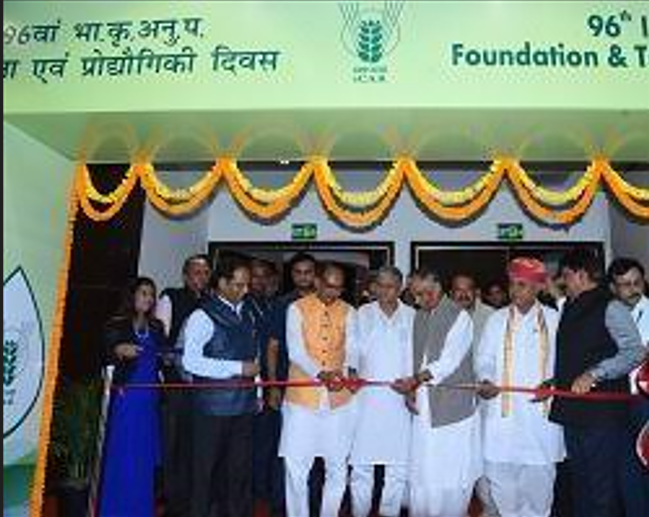
भारतीय कृषि अनुसंधान परिषद (आईसीएआर) के 96वें स्थापना एवं प्रौद्योगिकी दिवस का उद्घाटन केंद्रीय मंत्री शिवराज सिंह चौहान ने नई दिल्ली के एनएएससी कॉम्प्लेक्स स्थित डॉ. सी. सुब्रमण्यम ऑडिटोरियम में किया। केंद्रीय कृषि एवं किसान कल्याण मंत्री शिवराज सिंह चौहान ने आज (16 जुलाई, 2024) 96 वें आईसीएआर स्थापना एवं प्रौद्योगिकी दिवस समारोह के अवसर पर आयोजित प्रदर्शनी का उद्घाटन किया। इस अवसर पर केंद्रीय मत्स्य पालन, पशुपालन एवं डेयरी मंत्री राजीव रंजन सिंह और केंद्रीय कृषि एवं किसान कल्याण राज्य मंत्री भागीरथ चौधरी, राम नाथ ठाकुर, केंद्रीय मत्स्य पालन, पशुपालन एवं डेयरी तथा अल्पसंख्यक मामलों के मंत्रालय के राज्य मंत्री जॉर्ज कुरियन और केंद्रीय मत्स्य पालन, पशुपालन एवं डेयरी तथा पंचायती राज मंत्रालय के राज्य मंत्री प्रो. एसपी सिंह बघेल भी मौजूद थे। सभा को संबोधित करते हुए शिवराज सिंह चौहान ने पिछले 96 वर्षों में आईसीएआर की उल्लेखनीय उपलब्धियों के लिए उन्हें बधाई दी। उन्होंने कहा, “कृषि भारतीय अर्थव्यवस्था की रीढ़ है और किसान इसकी आत्मा हैं। मैं खुद एक किसान हूं, इसलिए मैं किसानों की सेवा को पूजा मानता हूं। किसानों की आय को चौगुना करने के लिए फसल विविधीकरण जरूरी है। हमने खाद्य उत्पादन के साथ-साथ पशुपालन, डेयरी और मत्स्य पालन में भी अभूतपूर्व प्रगति की है।” ICAR भारतीय कृषि अनुसंधान परिषद हर साल 16 जुलाई को अपना स्थापना दिवस मनाता है। यह कृषि नवाचारों और विकसित प्रौद्योगिकियों को उजागर करने के लिए अपना 96वां स्थापना और प्रौद्योगिकी दिवस मना रहा है। आईसीएआर देश का एक शीर्ष अनुसंधान संगठन है, जिसकी अंतरराष्ट्रीय कृषि अनुसंधान संस्थाओं में उच्च प्रतिष्ठा है। 1930 में अपनी स्थापना के बाद से, परिषद भारतीय कृषि की उत्पादकता बढ़ाने और विविधीकरण के लिए कृषि अनुसंधान, शिक्षा और विस्तार गतिविधियों का नेतृत्व कर रही है। बढ़ती आबादी, बदलती जीवनशैली, शहरीकरण का विस्तार और जलवायु परिवर्तन की गति में तेजी राष्ट्रीय कृषि अनुसंधान प्रणाली के लिए नई चुनौतियां पैदा कर रही है। इसमें कहा गया है कि पहले जहां चुनौती पर्याप्त भोजन की आपूर्ति करने की थी, वहीं अब स्वास्थ्य को बढ़ावा देने के लिए पर्याप्त पोषक तत्व प्रदान करना है और भविष्य में चुनौती व्यक्ति की आनुवंशिक प्रोफ़ाइल के आधार पर इष्टतम पोषक तत्व प्रदान करना होगी। बदलते परिवेश के साथ तालमेल बनाए रखने के लिए, ICAR समय-समय पर अपने विज़न और रणनीतियों को अद्यतन करता रहा है। चुनौतियों और अवसरों की कल्पना करने और अपनी रणनीति तैयार करने का पहला व्यवस्थित प्रयास 20वीं सदी के अंतिम वर्ष में ‘विज़न 2020 दस्तावेज़’ तैयार करके किया गया था। अगला प्रयास पांच साल बाद ‘परिप्रेक्ष्य योजना’ और ‘आईसीएआर विजन 2030’ को ग्यारहवीं योजना के साथ पेश करके किया गया। ‘आईसीएआर विजन 2050’ देश में नवाचार आधारित समावेशी और टिकाऊ कृषि विकास के लिए रणनीतिक रूपरेखा प्रदान करता है। वर्ष 2023-24 के दौरान अनाज, तिलहन, चारा फसलों और गन्ने सहित 56 फसलों की कुल 323 किस्में जारी की गईं। इन किस्मों में 27 जैव-फोर्टिफाइड किस्में और 289 जलवायु-लचीली किस्में शामिल हैं जो विभिन्न जैविक और अजैविक तनावों के लिए उपयुक्त हैं। प्रजनक बीज के आधार पर, 2023-24 के दौरान लगभग 16.0 मिलियन हेक्टेयर क्षेत्र में विभिन्न फसलों की जैव-फोर्टिफाइड किस्में उगाई जाएंगी, जिनमें गेहूं (13.0 मिलियन हेक्टेयर), चावल (0.5 मिलियन हेक्टेयर), बाजरा (1.5 मिलियन हेक्टेयर), मसूर (0.50 मिलियन हेक्टेयर) और सरसों (1.0 मिलियन हेक्टेयर) शामिल हैं, । कृषि और किसान कल्याण मंत्रालय ने कहा, “किस्मों में सुधार, जो आईसीएआर का एक प्रमुख कार्य है, तथा किसानों को बेहतर किस्मों के उन्नत गुणवत्ता वाले बीजों तक पहुंच ने कृषि उपज की उत्पादकता और गुणवत्ता में लगातार वृद्धि की है। 2014-15 से 2023-24 के दौरान, कुल 2593 उच्च उपज देने वाली किस्में जारी की गईं, जिनमें जैविक और अजैविक तनाव प्रतिरोधक क्षमता वाली 2177 जलवायु अनुकूल (कुल का 83 प्रतिशत) किस्में और 150 जैव-फोर्टिफाइड फसल किस्में शामिल हैं। 56 फसलों की 2200 से अधिक किस्मों पर 1.0 लाख क्विंटल से अधिक प्रजनक बीज का उत्पादन किया जा रहा है। जलवायु अनुकूल प्रौद्योगिकियों के उपयोग से असामान्य वर्षों के दौरान भी उत्पादन में वृद्धि हुई है।” इन ऐतिहासिक उपलब्धियों में उच्च उपज देने वाली सुगंधित बासमती चावल की किस्में शामिल हैं, जो 42,000 करोड़ रुपये से अधिक के वार्षिक निर्यात में योगदान देती हैं, जिसमें से 90 प्रतिशत से अधिक का योगदान आईसीएआर की चार किस्मों – पूसा बासमती 1121, पूसा बासमती 1509, पूसा बासमती 1401 और पूसा बासमती 1718 – का है। बागवानी उत्पादन 25 मीट्रिक टन (1950-51) से 14 गुना बढ़कर 355.3 मीट्रिक टन (2022-23) हो गया। 2023-24 के दौरान बागवानी फसलों के लिए लगभग 1071 क्विंटल प्रजनक बीज का उत्पादन किया गया, 41 किस्मों की पहचान की गई और 2069 जर्मप्लाज्म प्राप्त किए गए। इसके अलावा, 17.6 लाख गुणवत्ता वाली पौध सामग्री का उत्पादन किया गया। डॉ. हिमांशु पाठक, सचिव (डीएआरई) और महानिदेशक (आईसीएआर) ने 2023-24 के दौरान आईसीएआर के योगदान पर प्रकाश डाला। 2023-24 के दौरान अनाज, तिलहन, चारा फसलें और गन्ना सहित 56 फसलों की कुल 323 किस्में जारी की गईं। आंध्र प्रदेश, पंजाब, बिहार और उत्तर प्रदेश के छोटे और सीमांत किसानों के लिए आईएफएस मॉडल विकसित किए गए। उन्होंने पशुधन उत्पादन, मत्स्य पालन, कृषि उपकरण, प्राकृतिक संसाधन प्रबंधन और कृषि विस्तार की उपलब्धियों को प्रस्तुत किया। उन्होंने इस अवधि के दौरान कृषि शिक्षा, कौशल विकास और आईसीएआर आउटरीच पर भी प्रकाश डाला। आईसीएआर का सटीक खेती अनुसंधान में प्रवेश एक अग्रणी कदम है जो कृषि में क्रांति लाने के लिए तैयार है। खेती के तरीकों में रोबोटिक्स की सीमाओं को आगे बढ़ाकर, आईसीएआर न केवल नवाचार को अपना रहा है बल्कि एक ऐसे भविष्य का मार्ग भी प्रशस्त कर रहा है जहां प्रौद्योगिकी टिकाऊ कृषि में महत्वपूर्ण भूमिका निभाती है। सुरेश  देशवाल किसान चैम्बर ऑफ़ कॉमर्स

आईसीएआर स्थापना एवं प्रौद्योगिकी दिवस समारोह Read More »

The Struggles of Indian Farmers: Socio-Economic and Environmental Issues

Introduction Indian farmers play a vital role in feeding the nation, yet they face numerous socio-economic and environmental challenges that hinder their progress. This article examines the struggles of Indian farmers, focusing on the socio-economic and environmental issues that affect their livelihoods. Socio-Economic Challenges Poverty and Indebtedness A significant portion of Indian farmers live below the poverty line. Despite contributing significantly to the economy, they struggle to make ends meet due to low agricultural income and high input costs. Many farmers are trapped in a cycle of debt, borrowing from informal sources at high-interest rates to meet their needs, which often leads to severe financial distress. Land Fragmentation The average landholding size in India is small and fragmented, making it difficult for farmers to achieve economies of scale. Small landholdings limit the adoption of modern farming techniques and result in lower productivity. Additionally, land fragmentation leads to disputes and legal issues, further complicating the lives of farmers. Inadequate Access to Education and Healthcare Rural areas, where most farmers reside, often lack access to quality education and healthcare. This limits their ability to improve their farming practices and overall well-being. The lack of education also hampers their ability to understand and benefit from government schemes and modern agricultural practices. Environmental Challenges Water Scarcity Water scarcity is a major issue for Indian farmers, especially in arid and semi-arid regions. Over-reliance on groundwater for irrigation has led to the depletion of water tables. Inadequate rainfall and inefficient irrigation practices exacerbate the problem, making it difficult for farmers to sustain their crops. Soil Degradation Intensive farming practices, overuse of chemical fertilizers, and monocropping have led to soil degradation. Soil erosion, loss of fertility, and nutrient depletion are major concerns, reducing agricultural productivity and increasing the need for costly inputs. Climate Change Climate change poses a significant threat to Indian agriculture. Erratic weather patterns, unseasonal rains, and extreme weather events such as floods and droughts adversely affect crop yields. Small and marginal farmers, who lack resources to adapt to these changes, are particularly vulnerable. Government Initiatives and Their Impact The Indian government has launched several initiatives to support farmers, such as the Pradhan Mantri Kisan Samman Nidhi (PM-KISAN), providing direct income support, and the Pradhan Mantri Fasal Bima Yojana (PMFBY), offering crop insurance. While these schemes have had some positive impact, their reach and effectiveness remain limited due to bureaucratic hurdles and lack of awareness among farmers. The Way Forward Sustainable Agricultural Practices Promoting sustainable agricultural practices such as organic farming, crop rotation, and conservation agriculture can help improve soil health and reduce environmental degradation. Encouraging the use of bio-fertilizers and bio-pesticides can also reduce the reliance on chemical inputs. Improved Irrigation Techniques Investing in efficient irrigation techniques such as drip and sprinkler systems can help conserve water and improve crop yields. Watershed management and rainwater harvesting can also play a crucial role in addressing water scarcity. Farmer Education and Training Providing farmers with access to education and training on modern agricultural practices, climate-resilient techniques, and financial management can empower them to improve their productivity and income. Extension services and farmer cooperatives can facilitate the dissemination of knowledge and resources. Strengthening Rural Infrastructure Improving rural infrastructure, including roads, storage facilities, and market access, can help farmers get better prices for their produce and reduce post-harvest losses. Developing rural healthcare and education facilities can also enhance the overall well-being of farming communities. Policy Reforms Simplifying the implementation of government schemes, ensuring transparency, and increasing awareness among farmers about available benefits can enhance the effectiveness of support programs. Policy reforms that address land fragmentation, provide better access to credit, and ensure fair pricing can significantly improve the socio-economic condition of farmers. Conclusion The struggles of Indian farmers are multifaceted, involving socio-economic and environmental challenges. Addressing these issues requires a holistic approach that includes sustainable agricultural practices, improved infrastructure, farmer education, and effective policy implementation. By supporting farmers and addressing their challenges, we can ensure the sustainability and prosperity of India’s agriculture sector.

The Struggles of Indian Farmers: Socio-Economic and Environmental Issues Read More »

The Plight of Indian Farmers: Challenges and Solutions

Introduction Indian farmers are the backbone of the country’s agrarian economy, providing sustenance and livelihood to millions. However, they face a myriad of challenges that threaten their survival and well-being. This article delves into the problems faced by Indian farmers and explores potential solutions to improve their condition. Financial Distress One of the most significant challenges faced by Indian farmers is financial distress. Despite their hard work, many farmers remain in poverty due to low crop prices, high input costs, and inadequate access to credit. The majority of farmers rely on informal sources of credit, which often come with exorbitant interest rates, leading to a cycle of debt. Market Access and Pricing Farmers often lack direct access to markets, forcing them to sell their produce through intermediaries who take a substantial cut, leaving the farmers with meager earnings. The absence of a robust infrastructure for storage and transportation further exacerbates this issue. Additionally, fluctuating market prices and the lack of a minimum support price (MSP) for all crops create uncertainty and financial instability. Climate Change and Environmental Issues Climate change poses a severe threat to Indian agriculture. Erratic weather patterns, prolonged droughts, and unseasonal rains negatively impact crop yields. Environmental degradation, soil erosion, and water scarcity further complicate the situation, making farming increasingly unsustainable. Lack of Modern Technology and Infrastructure Many Indian farmers still rely on traditional farming methods, lacking access to modern technology and infrastructure. This results in lower productivity and higher labor costs. Limited access to high-quality seeds, fertilizers, and irrigation facilities hampers their ability to achieve optimal yields. Policy and Bureaucratic Challenges While numerous government schemes exist to support farmers, the implementation often falls short due to bureaucratic hurdles and corruption. Farmers face difficulties in accessing subsidies, insurance, and other benefits due to complex procedures and lack of awareness. Mental Health Issues The continuous stress from financial instability, crop failures, and the burden of debt has led to a mental health crisis among Indian farmers. Farmer suicides have become a tragic and alarming issue, highlighting the urgent need for comprehensive support systems. Potential Solutions Conclusion Addressing the challenges faced by Indian farmers requires a multifaceted approach involving government support, technological advancements, market reforms, and community engagement. By implementing comprehensive solutions, we can improve the lives of farmers and ensure the sustainability of India’s agrarian economy.

The Plight of Indian Farmers: Challenges and Solutions Read More »

The Impact of Climate Change on Indian Agriculture

Introduction Climate change poses a significant threat to Indian agriculture, impacting crop yields, water availability, and the livelihoods of millions of farmers. This article examines the effects of climate change on Indian agriculture and explores strategies for adaptation and mitigation. Effects on Crop Yields Climate change leads to increased temperatures, altered rainfall patterns, and extreme weather events, all of which affect crop yields. Heat stress during critical growth stages, such as flowering and grain filling, reduces productivity. Crops like wheat, rice, and maize are particularly vulnerable to temperature fluctuations and water stress. Water Scarcity Changes in rainfall patterns and the melting of Himalayan glaciers affect the availability of water for irrigation. Erratic monsoons and prolonged dry spells lead to water shortages, impacting crop growth and productivity. Over-reliance on groundwater exacerbates the problem, leading to declining water tables and unsustainable water use. Soil Degradation Climate change accelerates soil degradation through increased erosion, salinization, and loss of organic matter. Higher temperatures and altered precipitation patterns affect soil moisture and fertility, reducing crop yields. Sustainable soil management practices are essential to combat these effects and maintain soil health. Pest and Disease Incidence Warmer temperatures and changing weather patterns create favorable conditions for pests and diseases. New pest species and increased incidences of diseases threaten crop production. Integrated pest management (IPM) and the development of pest-resistant crop varieties are crucial for managing these risks. Livelihoods and Food Security Climate change impacts the livelihoods of millions of smallholder farmers, who depend on agriculture for their income. Reduced crop yields, water scarcity, and increased production costs threaten food security and rural livelihoods. Vulnerable communities, particularly in rainfed and marginal areas, are at greater risk. Adaptation and Mitigation Strategies Policy and Institutional Support Government policies play a crucial role in addressing climate change impacts on agriculture. Programs like the National Mission for Sustainable Agriculture (NMSA) and the Pradhan Mantri Fasal Bima Yojana (PMFBY) provide financial and technical support for climate-resilient practices. Strengthening research, extension services, and farmer organizations is essential for effective adaptation. Conclusion Climate change

The Impact of Climate Change on Indian Agriculture Read More »

Sustainable Agriculture Practices in India

Introduction Sustainable agriculture is crucial for ensuring food security, conserving natural resources, and protecting the environment. This article discusses the importance of sustainable practices in Indian agriculture, highlighting key methods and their benefits. Organic Farming Organic farming emphasizes the use of natural inputs and processes, avoiding synthetic fertilizers and pesticides. This practice improves soil health, enhances biodiversity, and produces healthier food. The Indian government promotes organic farming through schemes like Paramparagat Krishi Vikas Yojana (PKVY), encouraging farmers to adopt organic practices. Agroforestry Agroforestry integrates trees and shrubs into agricultural landscapes, providing multiple benefits. Trees act as windbreaks, reduce soil erosion, enhance soil fertility, and provide additional income through timber, fruits, and nuts. Agroforestry systems are particularly beneficial in regions prone to land degradation and climate variability. Conservation Agriculture Conservation agriculture focuses on minimal soil disturbance, maintaining soil cover, and crop rotation. Practices like zero tillage, cover cropping, and crop diversification improve soil structure, reduce erosion, and enhance water retention. These practices also help in sequestering carbon, mitigating climate change impacts. Integrated Pest Management (IPM) IPM combines biological, cultural, mechanical, and chemical methods to manage pests sustainably. By promoting natural predators, using pest-resistant crop varieties, and applying pesticides judiciously, IPM reduces the reliance on chemical inputs, protecting the environment and human health. Water-Saving Techniques Efficient water management is critical for sustainable agriculture in India. Techniques like drip and sprinkler irrigation, mulching, and rainwater harvesting optimize water use and improve crop productivity. Watershed management practices also play a vital role in conserving water resources and recharging groundwater. Renewable Energy in Agriculture Renewable energy sources, such as solar and wind, can power agricultural operations sustainably. Solar pumps for irrigation, biogas plants for energy generation, and solar dryers for crop drying reduce dependence on fossil fuels and lower carbon footprints. Challenges and Way Forward Adopting sustainable agriculture practices faces challenges like high initial costs, lack of awareness, and access to resources. Government policies, extension services, and community-based approaches are essential to promote sustainable practices. Research and development in sustainable agriculture technologies and practices will further enhance their adoption. The future of Indian agriculture lies in a holistic approach that integrates traditional knowledge with modern techniques. Sustainable agriculture practices not only ensure long-term productivity but also contribute to environmental conservation and rural livelihoods.

Sustainable Agriculture Practices in India Read More »

The Role of Technology in Indian Agriculture

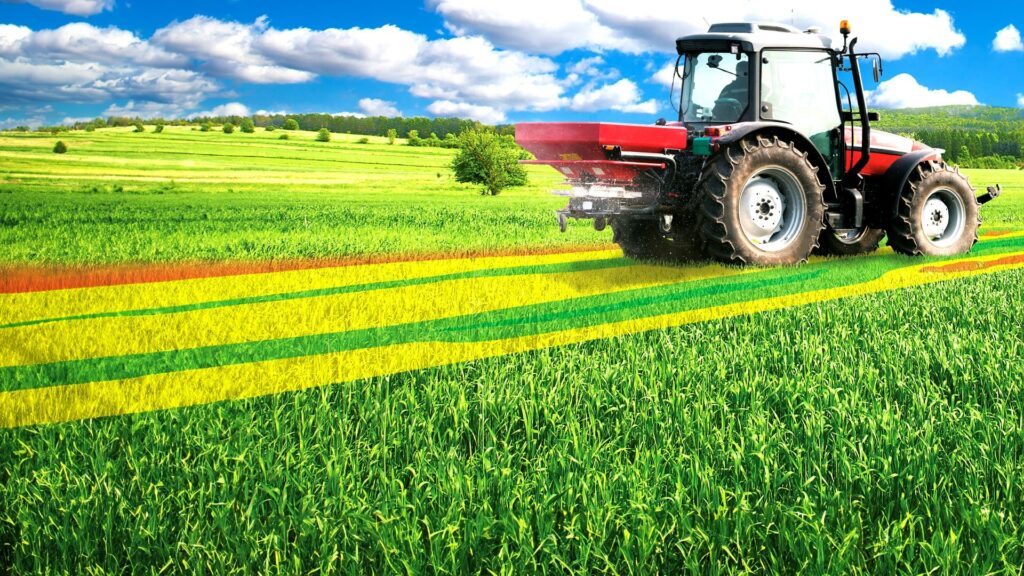
Introduction Technology has the potential to revolutionize Indian agriculture by improving productivity, efficiency, and sustainability. This article explores the various technological advancements in the Indian agriculture sector, their impact, and future trends. Mechanization Mechanization has transformed traditional farming practices, making them more efficient and less labor-intensive. Tractors, harvesters, and other farm machinery have increased productivity and reduced the reliance on manual labor. Custom hiring centers and subsidies on agricultural equipment have made mechanization accessible to small and marginal farmers. Precision Agriculture Precision agriculture involves using technology to optimize field-level management regarding crop farming. Techniques such as GPS-guided tractors, drones for crop monitoring, and soil sensors help farmers make data-driven decisions. This leads to better resource utilization, reduced input costs, and improved crop yields. Irrigation and Water Management Innovative irrigation techniques, such as drip and sprinkler systems, have revolutionized water management in Indian agriculture. These methods ensure efficient water use, reducing wastage and improving crop yields. Smart irrigation systems, powered by IoT devices, can further enhance water efficiency by providing real-time data on soil moisture and weather conditions. Digital Platforms and Mobile Apps Digital platforms and mobile apps are bridging the information gap for farmers. Apps like Kisan Suvidha, mKisan, and RML Farmer provide real-time information on weather, market prices, and best practices. E-commerce platforms enable farmers to sell their produce directly to consumers, bypassing middlemen and ensuring better prices. Biotechnology Biotechnology has opened new avenues in crop improvement and pest management. Genetically modified (GM) crops, such as Bt cotton, have shown resistance to pests and improved yields. Research in developing drought-resistant and high-nutrient varieties is ongoing, with the potential to address food security and nutrition challenges. Challenges and Future Trends While technology holds great promise, its adoption faces challenges such as high initial costs, lack of awareness, and inadequate infrastructure. To overcome these barriers, government initiatives like the National e-Governance Plan in Agriculture (NeGP-A) and various state-level programs are promoting digital literacy and technology adoption. The future of Indian agriculture lies in integrating emerging technologies like artificial intelligence, machine learning, and blockchain. These technologies can enhance supply chain transparency, predict crop yields, and provide personalized farming advice.

The Role of Technology in Indian Agriculture Read More »

Overview of Indian Agriculture

Introduction Indian agriculture is a critical component of the nation’s economy, providing employment to over half of the population and contributing significantly to the GDP. The sector is diverse, encompassing a wide range of crops, livestock, forestry, and fisheries. This article provides an overview of the Indian agriculture system, highlighting its significance, challenges, and future prospects. Historical Context Agriculture in India has a rich history dating back thousands of years. The Indus Valley Civilization, one of the world’s oldest, had a well-developed agricultural system. Over the centuries, Indian agriculture evolved, with the introduction of various crops, irrigation techniques, and farming practices. The Green Revolution in the 1960s and 1970s marked a significant turning point, transforming India from a food-deficient nation to a self-sufficient one. Key Crops and Regions India’s diverse climate and geography support the cultivation of a wide variety of crops. Major crops include rice, wheat, maize, pulses, oilseeds, sugarcane, cotton, and tea. The Indo-Gangetic Plains, the Deccan Plateau, and the coastal regions are key agricultural zones, each with its unique crop patterns and practices. Challenges Despite its importance, Indian agriculture faces several challenges: Future Prospects The future of Indian agriculture lies in adopting sustainable practices, improving water management, and leveraging technology. Government initiatives like the Pradhan Mantri Krishi Sinchai Yojana (PMKSY) for irrigation, the Soil Health Card Scheme, and digital platforms for market access are steps in the right direction. Additionally, promoting organic farming, precision agriculture, and agroforestry can enhance productivity and sustainability.

Overview of Indian Agriculture Read More »

Scroll to Top